
Ethereum Casinos UK Players Actually Use — And Why Every One Is Offshore
 Available in GB
September 8, 2026 · Verified against the UK Gambling Commission public register and operator terms.
A UK player who wants to gamble with Ether has a single category of site to choose from. Every operator in this guide holds a Curaçao, Anjouan, or Costa Rica licence. None holds a UK Gambling Commission operating licence. The UKGC public register — 2,663 records as of late July 2026 — lists zero crypto-accepting casinos, and the regulator’s own guidance makes accepting ETH incompatible with the source-of-funds and anti-money-laundering checks a GB licence requires. That is not a quirk of the market; it is the rule the market has drawn around itself.
What follows is a comparison of ten offshore operators that accept Ethereum from British players, written for someone who wants the numbers before the bonus banner. Every bonus, wagering multiple, and game-provider list comes from the operator or from the affiliate materials current this run. The legal gap is not buried in a footnote — it is the first decision, and the rest of the page sits on top of it.
What an Ethereum Casino Actually Is
An Ethereum casino is an online gambling operator that accepts deposits and pays out withdrawals in ETH. In practice, that means a player sends Ether from a self-custody wallet — MetaMask, Trust Wallet, or a hardware-wallet interface — to a wallet address the casino provides, waits for blockchain confirmations, and plays against a house edge denominated either in crypto or in a fiat equivalent the casino converts to at the deposit-time exchange rate. Withdrawals reverse the flow: the casino releases funds on-chain, and the player’s wallet receives them after a number of network confirmations.
Three things separate this from a fiat online casino. Deposits settle on a public ledger rather than through a card network. Withdrawals complete in minutes rather than days once the casino releases them. And the operator is almost always offshore-licensed, because the UKGC’s source-of-funds and anti-money-laundering rules are written for fiat rails and do not accommodate direct crypto deposits.
A fully decentralised casino is a different animal: a smart contract holds the bankroll, the player connects a wallet directly, and no human operator sits between the two. None of the ten operators reviewed here work that way. They are centralised businesses that happen to accept ETH. The “decentralised” label that some marketing uses refers to payment rails, not to who runs the games or holds the bankroll.
How to Judge an ETH Casino With No UKGC
Licence jurisdiction is the first filter, not the last. A Curaçao Gaming Control Board licence (or the newer Curaçao Gaming Authority framework), an Anjouan Gaming Board permit, or a Costa Rica licence establishes that the operator has filed paperwork and submitted to some form of regulator — but the level of player protection varies, and none of these jurisdictions replicate the UKGC’s consumer-protection regime. What they do enforce, broadly, is anti-money-laundering reporting, segregation of customer funds, and dispute resolution through their own appointed adjudicators.
Operator history matters more than licence branding. How long has the brand been live? How does it handle withdrawal complaints in player forums? Has it paid out large progressive wins without renegotiating terms? These questions have no shortcut — a UK player at an offshore casino has no British alternative-dispute-resolution provider to escalate to, and no UKGC complaints team to step in if funds are withheld. The research on the operator is the protection.
Game fairness is verifiable in two ways. Traditional RNG games at offshore casinos rely on testing-house certificates (iGaming laboratories such as Gaming Laboratories International (GLI) or iTech Labs), the same as UKGC-licensed sites. Some ETH-native games carry a “provably fair” badge, meaning the player can verify each round’s outcome against a server seed and a client seed after the bet. That verification is useful where it exists; it does not cover the live-dealer tables or the slots from studios that have not implemented it.
Payment track record is the most practical filter. Does the casino actually pay out within the time its terms claim? Community forums and affiliate monitoring sites track this in near-real-time. A licence from a known jurisdiction plus a multi-year payment record beats a shiny new licence from anywhere.
The Practical Path From Wallet to First Bet
A UK player who has decided to use an offshore ETH casino starts with a self-custody wallet funded with Ether. MetaMask is the default for browser play; Trust Wallet or a hardware wallet suits mobile. The wallet needs enough ETH to cover the deposit plus the gas fee — gas is paid in ETH and is separate from the stake.
Choosing an operator means reading the terms, not the landing page. The bonus headline rarely matches the bonus that lands in the account: wagering requirements, validity windows, and max-cashout caps on free spins shrink the headline number, sometimes by 90 percent or more. The table further down the page lists the headline terms across all ten operators, and the section on what a bonus really costs unpacks the arithmetic.
The first deposit is a wallet-to-wallet transfer. The casino provides a unique deposit address or a QR code; the player sends the amount; the network confirms the transaction in twelve to thirty-five blocks, depending on the operator’s policy. The casino credits the balance once its threshold of confirmations is met — usually within ten to thirty minutes for a typical confirmation target. Free spins or a matched deposit activates either automatically or through a bonus code, depending on the operator.
Placing a bet is no different from a fiat casino once the balance is in. Cashing out is where the difference shows. The player requests a withdrawal in ETH; the casino runs its own internal review — KYC verification if triggered, anti-fraud checks, and approval queue time — and then releases the funds on-chain. From that release point, the ETH arrives in three to fifteen minutes. The bottleneck is rarely the blockchain; it is the operator’s processing.
The 10 Ethereum Casinos UK Players Actually Use, Compared Side by Side
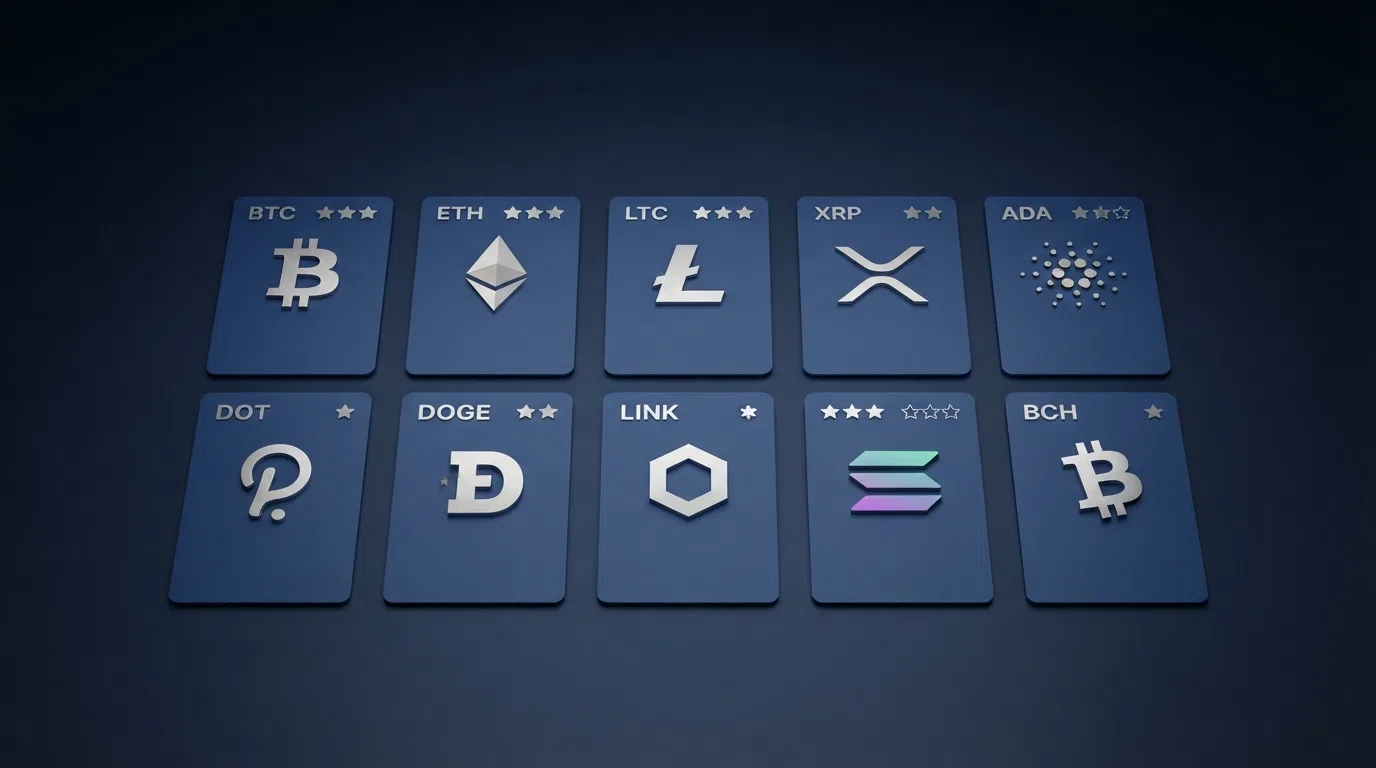
The table below sets the ten featured operators side by side. “Wagering” is the multiple applied to the bonus before any withdrawal is permitted. “Bonus Validity” is the window the player has to clear that requirement. “Max Cashout” is the cap on winnings from the offer where one applies. “Spin Value” is the per-spin amount where the operator states one. Game Providers lists the studios whose games appear in the lobby, drawn from operator data. All ten are offshore — nine Curaçao-licensed, one Anjouan-licensed, one dual-licensed — and none holds a UKGC operating licence.
| Operator | Licence | Welcome Bonus | Wagering | Free Spins | Bonus Validity | Game Providers |
|---|---|---|---|---|---|---|
| Stake | Curaçao | No welcome bonus; rakeback system | N/A | N/A | N/A | Pragmatic Play, Evolution, Hacksaw, Nolimit City, Push Gaming |
| BitStarz | Curaçao | Up to 5 BTC (or ETH equivalent) across 4 deposits | 40× | 180 free spins (first deposit) | 7 days per bonus | Pragmatic Play, Evolution, NetEnt, Play’n GO, BGaming |
| Cloudbet | Curaçao | Up to $2,500 real cash (no wagering) + 200 FS | 0× on cash | 200 free spins | 30-day rakeback/cash programme | Evolution, Pragmatic Play, Microgaming, Betsoft |
| Wild.io | Curaçao | 350% up to $5,000 + 200 FS across 3 deposits | 40× | 200 free spins | FS winnings: 24 hours to clear 40× | Pragmatic Play, Evolution, Hacksaw, Nolimit City |
| mBit Casino | Curaçao | 175% up to 2 BTC + 300 FS (1st); 100% up to 1.5 BTC + 100 FS (2nd); 125% up to 1.5 BTC + 125 FS (3rd) | 40× | 525 FS total | Not stated | Pragmatic Play, Evolution, Betsoft, BGaming, Habanero |
| Jackbit | Curaçao | 100 wager-free spins on Hot Chilli Bells (first deposit) | 0× on FS; 10× on FS winnings | 100 free spins | 7 days | Pragmatic Play, Evolution, Hacksaw, Nolimit City, Push Gaming |
| Betplay | Curaçao | 100% up to 5,000 USDC (or ETH equivalent) | 80× | Not stated | 30 days | Pragmatic Play, Evolution, Hacksaw |
| CoinCasino | Anjouan | 200% up to $30,000 + 50 Super Spins | 35× deposit + bonus; 60–75× for bonuses above $10,000 | 50 Super Spins | 14 days; 7-day FS expiry | Pragmatic Play, Evolution, Playson |
| Thrill | Curaçao and Anjouan Gaming Board | No welcome bonus; up to 70% rakeback + 10% cashback | N/A | N/A | N/A | Evolution, Pragmatic Play, Hacksaw (3,480+ games) |
| MyStake | Curaçao | 150% up to €750 (1st deposit); 100% up to €500 (2nd) | 30× | Not stated | 30 days | Pragmatic Play, Evolution, Play’n GO, Nolimit City, Red Tiger |
What the table shows at a glance: six of ten operators offer a deposit-match welcome, and all six carry wagering requirements between 30× and 80×. Cloudbet is the only cash welcome with zero wagering in the set. The two rakeback-first operators (Stake and Thrill) skip the welcome entirely. The free-spin counts cluster in the hundreds at the top of the set; the cashout caps and validity windows on those spins are where the cost hides.
Stake — Rakeback Over Bonuses, 3,500+ Games
Stake built its model around ongoing rakeback rather than a welcome headline, and the result is the largest game library among the featured set. Pragmatic Play, Evolution, Hacksaw, Nolimit City, and Push Gaming fill a lobby that runs into the thousands of titles, with a constant feed of new slot releases and a live-dealer floor that covers roulette, blackjack, baccarat, and the game-show formats that have eaten the live vertical this year.
A player who arrives at Stake looking for a welcome deposit bonus will not find one. The value sits in the rakeback programme, which returns a percentage of the house edge on every bet over time, and in the periodic reloads and time-limited tournaments that run through the week. For a player who plays regularly, the rakeback arithmetic can outperform a one-off welcome matched bonus, because the matched bonus is paid back to the player only after the wagering requirement is cleared. The Curaçao licence is the same framework as the rest of the set, and the operator’s track record on withdrawals is one of the longer ones in the offshore crypto space.
A reader who plays a handful of times a year will get more from a deposit-match welcome elsewhere. A reader who plays weekly and values a deep game library will find Stake’s combination of rakeback and game breadth hard to beat offshore.
BitStarz — A Four-Stage Welcome Worth Up to 5 BTC, With 180 Spins
BitStarz runs a traditional multi-deposit welcome that totals up to 5 BTC or its ETH equivalent across four deposits, with 180 free spins attached to the first deposit at $1.00 per spin. The provider list is broader than most of the set: Pragmatic Play, Evolution, NetEnt, Play’n GO, and BGaming together cover both the high-volatility slot end of the market and the live-dealer mainstream.
The wagering requirement is 40× on the bonus funds, and the bonus validity is seven days per deposit. Seven days is short — the player has to plan a meaningful number of sessions around the bonus window, or watch the bonus expire. The free-spin winnings carry the same 40× and the same seven-day clock. There is no stated max-cashout cap on the bonus or the free-spin winnings in the terms this run captured, which is unusual for the offshore crypto space and worth taking at face value with the usual caveat that offshore terms can change between the affiliate page and the cashier.
For a player who can clear 40× wagering inside a week and who wants the breadth of a NetEnt-plus-BGaming slot list, BitStarz’s four-deposit structure is one of the more generous in the set. For a player who plays occasionally, the seven-day window will cost them parts of the bonus they intended to claim.
Cloudbet — Real Cash With No Wagering Requirement
Cloudbet is the only operator in the featured set offering a cash welcome with zero wagering. The bonus is up to $2,500 in real cash, and what the cashier credits is withdrawable, not bonus-locked. Alongside the cash, 200 free spins are included as a separate credit. The 30-day rakeback and cash programme is layered on top for ongoing play.
The provider mix — Evolution, Pragmatic Play, Microgaming, and Betsoft — covers the major live and slot verticals without the Nolimit City or Hacksaw high-volatility end. A player who values those studios will not find them at Cloudbet. A player who values a no-wagering cash welcome will find that no other operator in the set offers one.
The honest read: a no-wagering cash bonus is worth more than its nominal size relative to a 40× bonus, because no further turnover is required to convert it. The up-to-$2,500 figure is a maximum, not a default — it scales with the deposit. For a player who plans to deposit and withdraw within a session or two, Cloudbet’s welcome is the cleanest in the set.
Wild.io — 350% Match Across Three Deposits, With FS Caveats
Wild.io carries the highest match percentage in the featured set: 350% up to $5,000 across three deposits, plus 200 free spins at $1.00 per spin. The headline is the largest percentage; the fine print is sharper than most. The free-spin winnings carry a 40× wagering requirement and a 24-hour clearance window — a much shorter clock than the seven days the welcome bonus allows. The max cashout from free-spin winnings is $100.
That combination — high percentage, low spin cap, tight clock — is worth understanding. A player who clears the welcome bonus over a month has 30 days of play funded; a player who accepts the free spins has 24 hours to clear 40× the winnings or watch them expire. The cap at $100 means the upside on the spins is bounded even if the clearing succeeds.
The provider list covers Pragmatic Play, Evolution, Hacksaw, and Nolimit City, and the game library is solid for both slots and live dealer. For a player with a small bankroll who will claim every tier of the welcome and treat the free spins as a short, contained game, the 350% match is competitive. For a player who reads only the headline, the 24-hour spin window and the $100 cap will come as a surprise.
mBit Casino — Three-Tier Welcome With 525 Free Spins Total
mBit’s welcome package is structured across three deposits: 175% up to 2 BTC plus 300 free spins on the first; 100% up to 1.5 BTC plus 100 free spins on the second; 125% up to 1.5 BTC plus 125 free spins on the third. The 525 free spins total is the highest in the featured set. The wagering requirement is 40× on all bonus funds, and the terms this run captured do not state a validity window or a max cashout — both are details the player should confirm at the cashier before depositing.
The provider list is Pragmatic Play, Evolution, Betsoft, BGaming, and Habanero — a mix that leans toward the BGaming crypto-native catalogue alongside the mainstream. A player who values BGaming’s provably fair originals will find more of them here than at most of the set. A player who needs a stated validity window and a stated cap before they deposit will need to look those up on the live terms page, because the snippet-level data this run captured does not include them.
For a player who plans to take all three deposits and play through the spin allocation, mBit’s package is the highest-volume free-spin offer in the set. For a player who only plans to deposit once, the 175% first-deposit match is mid-pack.
Jackbit — 100 Wager-Free Spins on First Deposit, With Strings
Jackbit’s headline is “100 wager-free spins” on Hot Chilli Bells with the first deposit. The spins themselves carry zero wagering, which sounds like a clean offer. The strings are in the next clause: any winnings from the spins are subject to a 10× wagering requirement, and those winnings are capped at $100 max cashout. The 10× window is seven days.
Read carefully: this is a no-wager spin credit that becomes a 10× turnover obligation on the winnings, with a $100 ceiling. A player who wins $100 from the spins needs to wager $1,000 in seven days to withdraw the $100. The 10× multiple is the same number the UKGC has set as a maximum at GB-licensed sites from January 2026 — interesting context, even though Jackbit is offshore and not bound by that cap.
The provider list (Pragmatic Play, Evolution, Hacksaw, Nolimit City, Push Gaming) is one of the strongest in the set, covering the full range from mainstream to high-volatility. For a player who treats the welcome as a single Hot Chilli Bells session and reads the $100 cap as the offer’s real value, Jackbit is honest. For a player who expects “wager-free” to mean “withdraw what I win”, the 10× on winnings and the cap will be the surprise.
Betplay — 100% Match With the Highest Wagering in the Set
Betplay’s offer is a straightforward 100% deposit match up to 5,000 USDC or its ETH equivalent, with 80× wagering and a 30-day bonus validity. The 80× is the highest wagering multiple in the featured set — eight times the UKGC’s January 2026 cap of 10× that applies at GB-licensed casinos. A player depositing the equivalent of $1,000 in ETH and claiming the full bonus needs to wager $80,000 before any withdrawal is permitted.
The provider list is Pragmatic Play, Evolution, and Hacksaw — a tighter roster than the wider-studio operators. The Curaçao licence is the same framework as the rest. What Betplay offers is a large headline number with a high turnover target. A player who can sustain volume and is comfortable with the 30-day window will see real value; a player with a small bankroll or limited playtime will burn the bonus trying to clear it.
The honest read: 80× is the cost of doing business at the bigger-match end of the offshore welcome market. The UKGC’s 10× cap exists precisely because turnover requirements at multiples like this consume bankroll faster than most players expect.
CoinCasino — 200% Match Up to $30,000, Anjouan-Licensed
CoinCasino carries the largest headline bonus amount in the featured set: 200% up to $30,000 plus 50 Super Spins. The wagering structure is tiered. On bonuses up to $10,000, the requirement is 35× the deposit plus bonus. On bonuses above $10,000, the requirement rises to between 60× and 75×. The 50 Super Spins carry a seven-day expiry. The max cashout on the bonus is 10× the bonus amount. The 14-day bonus validity is one of the shorter windows in the set.
CoinCasino is also the only Anjouan-licensed operator in the featured set, rather than Curaçao-licensed. The Anjouan Gaming Board regulates differently from Curaçao, with a lower-cost permit and a different oversight structure. The provider list is Pragmatic Play, Evolution, and Playson — Pragmatic Play and Evolution cover the mainstream; Playson is a smaller studio without the Nolimit or Hacksaw high-volatility end.
For a player who plans a large deposit and accepts the tiered wagering, the headline is real. For a player depositing a smaller amount, the 35× applies and the offer is comparable to the mid-pack of the set. The Anjouan licence is the distinguishing structural feature — and one a reader who cares about jurisdiction should weight deliberately.
Thrill — Rakeback and Cashback, No Welcome Bonus
Thrill joins Stake at the rakeback-first end of the market: up to 70% rakeback and 10% cashback, with no welcome deposit bonus at all. The game library runs above 3,480 titles across Evolution, Pragmatic Play, and Hacksaw, and the operator is dual-licensed under both Curaçao and the Anjouan Gaming Board.
The “no welcome bonus” line is worth taking seriously as a feature, not a gap. A player who would have deposited once, claimed a welcome, and moved on to the next operator gets more total value at a rakeback-first site if they intend to keep playing. The percentage is paid back on the house edge over time, which means the value compounds with volume. A player who plays ten sessions a month will see more back at 70% rakeback than at a single 100% match with 40× wagering.
For a player who wants the welcome bonus, this is not the right site. For a player who plans to make Thrill a regular destination, the math favours the rakeback structure over the deposit-match alternatives in the set.
MyStake — 150% First-Deposit Match With 30× Wagering
MyStake runs a conventional two-deposit welcome: 150% up to €750 on the first deposit and 100% up to €500 on the second. The 30× wagering is the lowest in the match-bonus group — half the 60× and 80× the larger operators carry, and below the 35× and 40× the rest of the set charges. The 30-day bonus validity is the standard window in the offshore set. The provider list is broader than most: Pragmatic Play, Evolution, Play’n GO, Nolimit City, and Red Tiger together cover the full mainstream-to-high-volatility range.
The lower wagering multiple is the headline that matters. A 150% match at 30× is closer in real value to a 100% match at 40× than the percentage suggests, because the turnover target is what determines the cost. MyStake’s offer is the one that most closely approximates the cost a UKGC-licensed site would have carried before the January 2026 cap — and is now well above the 10× ceiling at GB-licensed casinos, where comparable offers have been re-priced.
For a player who reads the wagering multiple before the percentage, MyStake’s welcome is the most efficient match-bonus offer in the set. For a player chasing the largest percentage or the highest headline amount, the offer sits mid-pack and looks it.
How We Ranked These Ethereum Casinos
The ranking starts where the regulator’s data starts: the UKGC public register. A search of the 2,663 records (last updated late July 2026) confirmed that no crypto-accepting operator holds a GB operating licence. That is the gating fact, and it rules out a category of “best Ethereum casino in the UK” as the regulator would understand the term.
The ordering that follows is built on five criteria, weighted by what most affects the player’s experience at an offshore site. Licence jurisdiction is the first cut, separating Curaçao and Anjouan from less-regulated frameworks. Bonus value is the second — the headline percentage adjusted for wagering multiple, validity window, and max-cashout cap on free-spin winnings. The result is a real-cost figure for each offer, not a banner figure. Game-provider quality and library depth is the third, with weight given to studios that maintain consistent RTP and release new titles. Payment speed and the cost of moving money in and out is the fourth, drawing on the on-chain settlement time and the gas fees a typical deposit and withdrawal incur. Responsible-gambling tool availability is the fifth — the deposit-limit, session-limit, and self-exclusion tools at each operator, measured against the UKGC’s mandatory infrastructure.
The ranking is descriptive, not a recommendation. A reader who values rakeback over a welcome will end up at Stake or Thrill. A reader who wants the largest bonus amount will end up at CoinCasino. A reader who wants a no-wagering cash bonus will end up at Cloudbet. The list is ordered by the overall balance of these criteria, not by any single one.
Ethereum Slots, Live Dealer, and Table Games — What You Can Actually Play
Slots — Megaways, Classic Reels, and Provider Studios
Ethereum casinos carry the same slot catalogues as the fiat market, minus the UKGC stake cap. Pragmatic Play, Hacksaw, Nolimit City, Push Gaming, NetEnt, Play’n GO, and a handful of BGaming crypto-native titles fill out most lobbies. Megaways mechanics, cluster pays, and the high-volatility end of the market are all present in the featured set; Nolimit City and Hacksaw in particular drive the high-variance titles that have defined the offshore slot market in the last two years.
RTP and volatility are stated at the game level, not the casino level — a Pragmatic Play slot will carry the same RTP at every operator that runs it, and volatility is a property of the game’s design rather than the casino. The numbers a player sees on a slot’s info panel are the right numbers to use, regardless of whether the casino is licensed in Curaçao, Anjouan, or the UK. What an offshore casino does not enforce is the UKGC’s statutory stake cap: £5 per game cycle for players aged 25 and over, and £2 for players aged 18 to 24, in force since April and May 2025. At an offshore site, the spin ceiling is whatever the player sets.
Live Dealer — Roulette, Blackjack, and Evolution’s Dominance
Live dealer at Ethereum casinos is dominated by Evolution Gaming, with Pragmatic Play Live as the secondary studio across the featured set. Roulette, blackjack, baccarat, and the game-show formats (Crazy Time, Monopoly Live, the Deal or No Deal series) are standard. The betting interface accepts ETH-denominated stakes that the casino converts to a fiat equivalent for table limits, and the streaming quality is the same feed Evolution delivers to its UK-licensed customers.
Mobile live dealer is functional at all ten operators, though the smaller-screen experience on a phone does not match the desktop for multi-camera game-show formats. The wallet integration means a player can deposit, bet, and withdraw without leaving the live lobby.
Table Games and Provably Fair Alternatives
Digital table games — blackjack, roulette, dice, baccarat — sit alongside the live lobby at most featured operators. The RNG versions run faster than the live tables and accept smaller stakes, useful for bonus clearing or for testing a strategy. Provably fair games are a separate category: BGaming, Hacksaw’s original titles, and a handful of crypto-native studios offer bets where the player can verify each round’s outcome against a server seed, a client seed, and a nonce. The verification is real and reproducible, and it covers the games that carry the badge.
What provably fair verifies is the round outcome — that the result was not altered after the bet was placed. It does not verify the long-term RTP, the operator’s solvency, or the operator’s willingness to pay out a large win. A provably fair badge is a useful signal on the game-mechanics level, and a small reassurance on the operator level, but it is not a substitute for the regulatory protections a UKGC licence provides.
Demo Mode and Free Play
Most featured operators offer demo or fun-mode play on slots — the player loads the game with a play-money balance and tests the mechanics without staking ETH. Demo mode is valuable precisely because there is no UKGC safety net at an offshore casino: a player can confirm a game runs as advertised, that the bonus rounds trigger, and that the volatility matches the label, before staking real funds.
Not every operator offers demo on every game. Live dealer is universally real-money only. And the demo RTP is the same as the real-money RTP, since the game code does not change between the two modes. A player who uses demo mode as a final check before staking ETH is using the offshore space the way it is meant to be used — informed, on the player’s side of the table.
Why Your 2026 Ethereum Casino Bonus Is Smaller Than the Number in the Banner
Welcome Bonuses and Deposit Matches — How They Actually Work
A deposit match is calculated as a percentage of the player’s deposit, up to a cap, paid in bonus funds that the player wagers before withdrawing. A 100% match up to 1 ETH means a 1 ETH deposit yields 1 ETH in bonus funds, on top of the deposit, with a 40× wagering requirement on the bonus. The turnover target is 40 ETH. At a typical 96% RTP slot, the expected loss on 40 ETH of wagering is approximately 1.6 ETH — the cost of clearing the bonus, before the original deposit is touched.
Multi-deposit packages stack the percentages across two, three, or four deposits. BitStarz’s four-deposit welcome, mBit’s three-tier package, and MyStake’s two-deposit structure are all variants of the same mechanism. The total headline can run into the tens of thousands of dollars, but the wagering requirement applies to each tier separately, and the validity window is per tier, not per package.
The difference between bonus funds and real cash is the key distinction. A bonus fund must be wagered before it converts to withdrawable cash; a real-cash bonus (Cloudbet) is withdrawable on receipt. The two are not equivalent, and a 100% match in bonus funds at 40× is worth materially less than a 50% match in real cash at 0×.
No-Deposit Bonuses and Free Spins — What Is Actually Available
Free spins are the closest thing to a no-deposit offer at the featured operators, and even there the line is sharper than the marketing suggests. BitStarz attaches 180 spins to the first deposit at $1.00 per spin. Cloudbet offers 200 free spins alongside the cash welcome. Wild.io provides 200 spins with the 350% match, but winnings from those spins are capped at $100 and must clear 40× within 24 hours. mBit’s three deposits total 525 free spins, the highest in the set. Jackbit offers 100 wager-free spins on Hot Chilli Bells, with 10× on the winnings and a $100 cap. CoinCasino attaches 50 Super Spins to the welcome, with a seven-day expiry.
Wager-free spins are not the same as spins with no conditions. Jackbit’s “wager-free” label covers the spin credit itself; the winnings from those spins are subject to a 10× turnover obligation. A genuine no-deposit cash bonus does not appear in the featured set: Wild.io’s partner-invite-link spins require a deposit, and no operator reviewed this run currently advertises a true deposit-free cash offer to UK players.
Max-cashout caps on free-spin winnings compress the upside. Wild.io’s $100 cap, Jackbit’s $100 cap, and CoinCasino’s 10× bonus-amount cap are the three clearest examples. A player who wins $500 from a capped spin offer cannot withdraw $500; the cap is what they actually take.
The Real Cost of an Offshore Bonus
The advertised bonus and the bonus that lands in the account are not the same number, and the difference is the wagering requirement, the validity window, and the cashout cap. A worked example, using BitStarz’s structure: a player deposits the equivalent of 0.5 ETH and claims a 100% match, for 0.5 ETH in bonus funds. At 40× wagering, the required turnover is 20 ETH. At an illustrative stake of $0.10 per spin and 5 seconds per spin, that is 200,000 spins — approximately 278 hours of continuous play. At a 96% RTP, the expected loss on 20 ETH of wagering is roughly 0.8 ETH.
That expected loss is the cost of converting the 0.5 ETH bonus into withdrawable cash. The original deposit is untouched by the wagering (it stays in real-cash balance at most operators), but the bonus value is consumed by the time the requirement is cleared. A no-wagering cash bonus (Cloudbet) carries no such cost: the bonus is withdrawable on receipt, and the player’s edge is the casino’s published RTP alone. A rakeback model (Stake, Thrill) does not load a bonus at all; the value comes back over time, scaled by the player’s volume.
The UKGC’s January 2026 cap of 10× on bonus wagering exists because turnover requirements at multiples like 40× and 80× consume bankroll faster than most players expect. A 10× multiple on a 0.5 ETH bonus requires 5 ETH of turnover, an expected loss of approximately 0.2 ETH at 96% RTP — a quarter of the cost at 40×. That cap applies at GB-licensed casinos only. Offshore operators are not bound by it, and the 30× to 80× range that runs through the featured set is what the player is buying into when they skip the UKGC perimeter.
Depositing and Cashing Out ETH — How Fast Your Money Actually Moves
How to Deposit Ethereum at an Online Casino
The deposit flow is a wallet-to-wallet transfer. The casino’s cashier generates a unique deposit address (or a QR code the player’s wallet scans); the player enters the amount; the wallet signs the transaction; the network confirms it. Most operators credit the balance after 12 to 35 block confirmations, depending on the operator’s policy. On Ethereum mainnet, that is approximately 3 to 12 minutes at the current block time of around 12 seconds.
The player pays gas in ETH, separate from the deposit amount. Gas is the network fee that compensates the validators who process the transaction, and it varies with network congestion: a quiet network can see gas below $1, a busy one can push it past $5 for a typical transfer. A deposit of 0.1 ETH during a congested window might cost the player 0.005 ETH in gas, on top of the 0.1 ETH being deposited. The casino does not charge a deposit fee on top of gas, in any operator reviewed this run.
Minimum deposit limits vary by operator, and the terms this run captured do not state them per-operator. Most offshore ETH casinos set a minimum around $10 to $20 equivalent, but the exact figure belongs in the cashier, not the affiliate page.
Withdrawals and Payout Speed
A withdrawal request goes through two stages. The first is the operator’s internal review: KYC verification if the casino has not already collected documents, anti-fraud checks, and the approval queue. KYC at an offshore casino is a withdrawal trigger, not a deposit trigger — a player can deposit and play for weeks before the casino requests documents, and the request usually arrives at the first withdrawal above a threshold (often around $1,000 or $2,000 equivalent). The second stage is the on-chain release: once the operator approves, the funds are sent to the player’s wallet address and settle in 3 to 15 minutes after the casino broadcasts the transaction.
The total time from request to funds in the wallet depends on the operator’s processing speed. A fast operator completes internal review in under an hour; a slow one can take 24 to 48 hours. The 3 to 15 minutes is the on-chain leg only. A player who needs the funds within the day should choose an operator with a reputation for fast approval, not just fast blockchain settlement.
Compared to bank transfers, which can take three to five business days at UKGC-licensed casinos, the on-chain leg is dramatically faster. Compared to card reversals, which most UK banks do not process for gambling withdrawals, the difference is categorical.
Gas Fees, Layer-2, and What Your Deposit Actually Costs
Gas fees are the hidden cost of on-chain casino play. A typical ETH transfer at a quiet network costs under $1 in gas; a congested network can push the same transfer past $5. For a player depositing $100 in ETH, a $0.50 gas fee is 0.5% of the deposit; a $5 fee is 5%. The cost is the same in absolute terms whether the deposit is $100 or $10,000, which means gas is proportionally larger on small deposits and proportionally trivial on large ones.
Layer-2 networks reduce the cost. Arbitrum and Base are the two most commonly integrated with Ethereum wallets, and both settle transactions for a fraction of mainnet gas — typically a few cents rather than a few dollars. Whether a casino supports Layer-2 deposits is operator-specific, and the featured set does not consistently advertise Layer-2 support in the data this run captured. A player who wants to minimise gas should check the cashier for Layer-2 wallet support before depositing.
For most players at most stake levels, gas is a real but manageable cost. For a player making many small withdrawals during a session, the gas accumulates and the effective RTP on the session drops. A single large withdrawal at the end of a session costs less in total gas than ten small ones, and the difference is worth thinking about.
Beyond Deposits — Smart Contracts, MetaMask, and Decentralised Casinos
Provably Fair Gaming and Smart-Contract Casinos
Provably fair is the crypto-native answer to the question of game fairness. A provably fair game commits to a server seed (hashed before the bet), accepts a client seed from the player, and uses both — plus a nonce that increments with each round — to determine the outcome. After the bet, the player can verify the round by checking the server seed against the pre-bet hash and confirming the client seed was used. The mathematics is sound, and the verification is reproducible by anyone with the round data.
What provably fair does not verify is the long-term RTP, the operator’s solvency, or the operator’s behaviour when a player wins a large amount. The verification is at the round level. A casino that runs provably fair games and refuses to pay out a withdrawal is still a casino that refuses to pay out a withdrawal.
Chainlink VRF is the more sophisticated version — a verifiable random function that generates randomness on-chain from oracle data, with a cryptographic proof that the operator could not have predicted or manipulated the result. Some Ethereum-native games use it. It is a stronger guarantee than a server seed, because the operator cannot choose the seed even in principle.
Smart-contract casinos and DApps are the fully decentralised alternative. The casino’s bankroll is held in a smart contract, the player connects a wallet directly, and no human operator approves withdrawals. The wins and losses are deterministic from the code. None of the ten featured operators work this way. They are centralised businesses that accept ETH, run provably fair games where offered, and reserve the right to approve or deny withdrawals.
MetaMask, WalletConnect, and Non-Custodial Play
MetaMask is the default browser wallet for Ethereum casino play. It generates a deposit address, signs transactions, and connects to casino sites through a browser extension or the MetaMask mobile app. The player controls the private keys, which means the player controls the funds until they are sent to the casino.
WalletConnect is the mobile-friendly alternative. A player with a Trust Wallet or other mobile wallet can scan a QR code at the casino’s cashier and authorise transactions from the phone, without exposing the private keys to the browser. The flow is the same as MetaMask on desktop, with the wallet on a separate device.
Non-custodial play means the player holds the funds until they deposit. The casino does not have access to the player’s wallet; it has access only to the funds the player has sent to the casino’s deposit address. Compared to a fiat online casino, where the player’s bank holds the funds until the card is charged, the crypto model is closer to cash in a wallet — the player can leave at any time, with whatever balance has not been sent to the casino.
Ethereum Casino Apps and Mobile Play
Mobile Browser vs Dedicated Apps
Most offshore Ethereum casinos skip the App Store and Google Play entirely. The licensing terms for those stores are not compatible with the offshore gambling model, and the app-store approval process for a Curaçao-licensed operator is rarely worth pursuing. The result is a mobile experience that runs in the browser, on a responsive site that adapts to phone and tablet screens.
The browser experience at the featured operators is functional. Slot games run on HTML5 and scale to mobile screens; live dealer streams are smaller than on desktop but legible; wallet integration works through MetaMask mobile or WalletConnect. The experience is not identical to a dedicated app, and players who prefer apps will notice the absence of a homescreen icon and the friction of the browser-back-button flow.
A few operators offer progressive web apps — sites that behave like apps when added to the homescreen, with offline caching and a fullscreen interface. The PWA middle ground closes some of the gap with a native app, without the app-store approval problem. The featured set does not consistently advertise PWA support in the data this run captured, but the technology is widely available and a player who values the app-like experience can usually get it at an operator that supports it.
New Ethereum Casinos in 2026 — Fresh Launches Worth Watching
What to Expect From a New Ethereum Casino
A new offshore Ethereum casino in 2026 typically launches with a Curaçao or Anjouan licence, a smaller game library (often 1,000 to 2,000 titles versus the 3,000-plus at established operators), and a welcome bonus designed to attract early users. The welcome is often larger in headline terms than the established operators carry, because the new entrant has to compete on the one dimension it can control at launch.
Three checks before depositing at a new operator. First, the licence — confirm the licence number on the regulator’s public register, not just the operator’s “licensed by” badge. Second, the game provider list — a new casino with only one or two providers is a smaller catalogue, and the absence of a major studio may indicate an unfinished build. Third, the bonus terms — new-casino bonuses often carry stricter conditions (shorter validity, lower max cashout, higher wagering) than the same percentage at an established brand, and the player should read the terms before claiming.
Community feedback is harder to evaluate at a new operator. A casino that has been live for six months does not have the multi-year payment record a player would look for at an established brand. A small first deposit, with a withdrawal tested early, is the conservative approach.
No KYC, No GamStop, No Licence — The Legal Reality of Offshore Ethereum Casinos
UKGC-Licensed vs Offshore — The Protection Gap in One Table
A UKGC-licensed casino and an offshore Ethereum casino occupy different regulatory universes. The table below sets them side by side, on the dimensions that affect a British player directly.

| Protection | UKGC-Licensed Casino | Offshore Ethereum Casino |
|---|---|---|
| Crypto deposits | Not permitted | Accepted |
| Bonus wagering cap | 10× (since 19 January 2026) | 30× to 80× common; some 0× |
| GAMSTOP coverage | Mandatory since 31 March 2020 | Not covered |
| Slot stake cap | £5 (25+) / £2 (18–24) since April/May 2025 | No statutory cap |
| ADR provider | Approved ADR required | No GB-approved ADR |
| Credit card deposits | Banned since 14 April 2020 | Operator policy |
| KYC before first deposit | Required | Varies; often at first withdrawal |
| UKGC complaints route | Yes | No |
| British consumer redress | Yes | No |
The right column is what a UK player gives up at an offshore site. GAMSTOP does not extend offshore, so a self-excluded player is not protected at an unlicensed site. There is no UKGC complaints team to escalate to, no approved alternative-dispute-resolution provider in Britain, and no consumer-rights route if funds are withheld. The ADR providers the offshore operators appoint sit outside the UK.
The left column is not the whole story. UKGC protection comes with its own restrictions — crypto is not permitted, the wagering cap is tight, the slot stake is capped by age band, and the credit card ban is absolute. A player who wants to use Ethereum has already concluded they need the right column. The choice is between the right column’s full set of protections, and the offshore operator’s record on payouts.
No-KYC and Anonymous Ethereum Casinos — The Privacy Trade-Off
“No-KYC” at an offshore Ethereum casino means the operator does not require identity documents at registration. The player signs up with an email address and a password, deposits ETH, plays, and requests a withdrawal. The casino reserves the right to request documents at the withdrawal stage — most operators set a threshold (often $1,000 to $2,000 equivalent) above which KYC is triggered, and “no-KYC” is really “no-KYC-until-a-threshold.”
The privacy is real at the registration level. The casino does not have a copy of the player’s passport, utility bill, or bank statement. What it has is the player’s deposit and play history, the wallet addresses they used, and the IP address they connected from. For a player who values privacy over and above the regulatory certainty, that trade-off is the point.
The legal position is straightforward. No criminal penalty was traced this run for a British player who simply gambles at an unlicensed site. What the player loses is the protection layer: no UKGC complaints route, no approved ADR, no British consumer redress. If the operator refuses to pay out, the practical options are a chargeback through the original funding source (unavailable for crypto), a complaint to the offshore regulator (Curaçao, Anjouan), or a civil claim in the operator’s jurisdiction — none of which are quick or cheap. The “no-KYC” label is honest about the data the casino collects; it does not promise the casino will pay out.
GAMSTOP and Self-Exclusion — Why Offshore Casinos Do Not Honour It
GAMSTOP is the UK’s national self-exclusion register, mandatory for every UKGC online operating licence since 31 March 2020. A player who registers with GAMSTOP chooses an exclusion period of six months, one year, five years, or five years with auto-renewal. The exclusion cannot be cancelled early. Every UKGC-licensed operator the player has an account with closes the account and blocks new account creation for the duration.
GAMSTOP does not cover offshore sites. A self-excluded British player is not protected on an unlicensed Ethereum casino, and the offshore operator is not required to honour the GAMSTOP registration. The player can register, deposit, and play at an offshore site during an active GAMSTOP exclusion. The offshore operator may offer its own self-exclusion tool, which closes the account at that one operator, but that is operator-level, not register-level.
The protection gap is the reason offshore operators are not safe for a self-excluded player. The licence, the game catalogue, and the bonus terms are all the same as for any other player. What changes is that the UK’s primary self-exclusion mechanism does not reach the offshore site, and the player is on their own.
Staying in Control — Responsible Gambling Tools and UK Help Resources
Responsible Gambling Tools at Offshore Ethereum Casinos
Offshore Ethereum casinos carry fewer responsible-gambling obligations than UKGC-licensed sites. The UKGC’s deposit-limit prompt (mandatory from 31 October 2025), gross deposit limit (from 30 September 2026), and financial vulnerability checks (mandatory at £150 net deposit in 30 days) are GB-specific requirements. Offshore operators are not bound by them, and the data this run captured does not consistently state the deposit-limit, session-limit, or self-exclusion tools each operator offers.
What the offshore operators typically do offer: deposit limits set in the cashier, time-out periods, and operator-level self-exclusion. Whether the deposit-limit tool is a soft prompt or a hard ceiling varies; whether the self-exclusion extends to sister sites under the same operator also varies. A player who wants the UKGC’s mandatory protections should play at a UKGC-licensed site. A player at an offshore site who wants similar controls should set them in the cashier and enforce them personally.
The honest framing: the UKGC’s infrastructure exists because voluntary measures have not been enough to prevent harm. A player at an offshore site who values those protections is a player who should be at a UKGC-licensed site. The offshore market is a different product, with different safeguards.
UK Problem Gambling Help — Numbers, Services, and What to Do
UK help resources are free, confidential, and available regardless of where a player gambles. GamCare runs the National Gambling Helpline on 0808 8020 133, 24 hours a day, with live chat and one-to-one support. GambleAware funds treatment and prevention, and reported 11,960 clients through the National Gambling Treatment Service in 2024/25, an 11% increase on the prior year, with 93% of completions showing improvement. NHS gambling harm clinics operate in England, Scotland, and Wales. Gamblers Anonymous runs peer-support meetings. GAMSTOP is the national self-exclusion register for UKGC-licensed play.
The prevalence data is worth reading. 47% of adults in Great Britain had gambled in the past four weeks (Gambling Survey for Great Britain 2025, NatCen). 38% had gambled online. 1.6% of adults were at moderate or higher risk on the PGSI (NHS Adult Psychiatric Morbidity Survey 2023–24), and 0.4% were problem gamblers. The numbers are not a warning aimed at one player; they describe a population, and the harm they measure falls on a small percentage of the people who gamble. The help infrastructure is built for the people in that percentage, and the people close to them.
The offshore operator a player uses does not change the help available. A player at a Curaçao-licensed ETH casino who wants to talk to someone can call the same helpline, attend the same meetings, and register with the same self-exclusion register. The services are not conditional on where the gambling happens.
How We Evaluated and Ranked These Ethereum Casinos
The methodology is transparent because the choice is the player’s, not the page’s. Five criteria, in this order: licence jurisdiction and operator history; bonus real-cost (wagering multiple, validity window, and cashout cap combined, not the headline percentage alone); game-provider quality and library depth; payment speed and the cost of moving money in and out; and responsible-gambling tool availability. Each operator was checked against the UKGC public register (2,663 records, last updated late July 2026) and confirmed absent — no operator in the featured set holds a GB operating licence. The Curaçao and Anjouan licence numbers were not all independently verified in the snippets this run captured and are marked accordingly.
The ranking is the result of applying those criteria. It is not a recommendation of where to play. A player who values rakeback over a welcome bonus will read the list differently from a player who values a no-wagering cash welcome. The page’s job is to lay out the terms and the structure; the reader’s job is to weigh them against their own situation.
What You Should Do Next
The verdict is the one the page opened with. A UK player who wants to gamble with Ether is choosing an offshore operator, and the choice is the only one the market offers. The UKGC’s exploratory review of crypto payments — opened in February 2026, with Tim Miller of the Commission’s Research and Policy directorate speaking at the BGC AGM on 26 February — is a forward-looking signal, not a current permission. The FCA’s crypto regulations, expected to finalise this year and take effect in late 2027, sit further downstream. As of now, no GB-licensed casino accepts ETH.
The protections a UKGC licence provides are real and specific: GAMSTOP, ADR, complaints, consumer redress. None of them apply offshore. The protections a player keeps at an offshore site are the ones the player imposes: deposit limits set in the cashier, session lengths chosen deliberately, and the willingness to walk away when the offer stops making sense. The UK help resources — GamCare, GambleAware, NHS clinics, Gamblers Anonymous — are available regardless of where the gambling happens.
A low-risk approach to offshore ETH casino play looks like this: a small first deposit to test the operator’s withdrawal process; a clear ceiling on losses before the session starts; a read of the bonus terms before claiming, not after; and a recognition that the headline number on the banner is not the number that lands in the balance. The arithmetic of wagering requirements is not a marketing line; it is the cost of the bonus in expected loss, and it is worth computing before the deposit.
The alternative is to wait. The UKGC review could lead to rule changes that allow crypto at GB-licensed casinos; the FCA’s framework could clarify the regulatory perimeter; the offshore market could consolidate around a smaller number of better-run operators. None of that is guaranteed. For a player who would rather not give up GAMSTOP and UKGC complaints, the wait is the more conservative choice, and the only one that does not require a trade-off the player has already decided not to make.
Frequently Asked Questions
Can I deposit Ethereum at a UKGC-licensed casino?
No. No UKGC-licensed casino accepts cryptocurrency deposits, including Ethereum. The UKGC’s source-of-funds, anti-money-laundering, and Licence Conditions and Codes of Practice requirements make direct crypto deposits incompatible with a GB operating licence. Every Ethereum casino available to UK players is offshore-licensed — typically Curaçao, Anjouan, or Costa Rica — and operates outside the UKGC perimeter.
What happens if an offshore Ethereum casino refuses to pay out?
The player has no UKGC complaints route, no approved British alternative-dispute-resolution provider, and no statutory consumer-redress mechanism at an offshore site. The practical options are a complaint to the offshore regulator (Curaçao Gaming Control Board, Anjouan Gaming Board, or Costa Rica, depending on the licence), a civil claim in the operator’s jurisdiction, or a chargeback through the original funding source — which is not available for crypto deposits. The protection against a refused payout is the operator’s track record, which a player should research before depositing.
Do Ethereum casino withdrawals arrive faster than bank transfers?
Yes, once the operator releases the funds. On-chain settlement on Ethereum mainnet completes in 3 to 15 minutes after the casino broadcasts the transaction. The total withdrawal time is the operator’s processing time (which varies from under an hour to several days) plus the on-chain settlement. Compared to UK bank transfers at UKGC-licensed casinos, which can take three to five business days, the on-chain leg is dramatically faster; compared to the total operator-plus-blockchain time, the comparison depends on the operator.
Do Ethereum casinos charge their own fees on top of network gas costs?
The data this run captured does not show operator-side deposit or withdrawal fees at the ten featured operators. The fee a player pays is the Ethereum network gas fee, which varies from under $1 on a quiet network to $5-plus during congestion. Gas is paid in ETH and is separate from the deposit or withdrawal amount. Some operators integrate Layer-2 networks (Arbitrum, Base) for lower-cost transactions; the per-operator Layer-2 support is not consistently stated in the data this run captured and should be checked in the cashier.
What is a provably fair game and how do I verify one?
A provably fair game uses a cryptographic commitment to a server seed (hashed before the bet), a client seed provided by the player, and a nonce that increments per round to determine each outcome. After the bet, the player can verify the round by checking the revealed server seed against the pre-bet hash and confirming the client seed was used. The verification is reproducible. Provably fair covers round-level outcome integrity; it does not verify long-term RTP, operator solvency, or withdrawal behaviour. Chainlink VRF is a stronger version using on-chain randomness with a verifiable proof.
Are Ethereum casinos not on GamStop safe to play at?
The licence is offshore, the GAMSTOP self-exclusion register does not cover them, and the UKGC protections (approved ADR, complaints route, consumer redress) do not apply. A self-excluded player is not protected at an offshore site. For a player not under a GAMSTOP exclusion, the question is whether the operator’s payment record, licence, and game-providers justify the loss of UKGC protections. The honest answer is that “safe” at an offshore site means a verified licence, a multi-year payment record, and a willingness to test the withdrawal process with a small deposit before committing.
Payments – realmoney-onlinecasinos-uk
Content created by the «realmoney-onlinecasinos-uk» team